Yard Drainage Solutions in Edmonton: How to Fix a Soggy Backyard (2026)
Feb 9, 2026
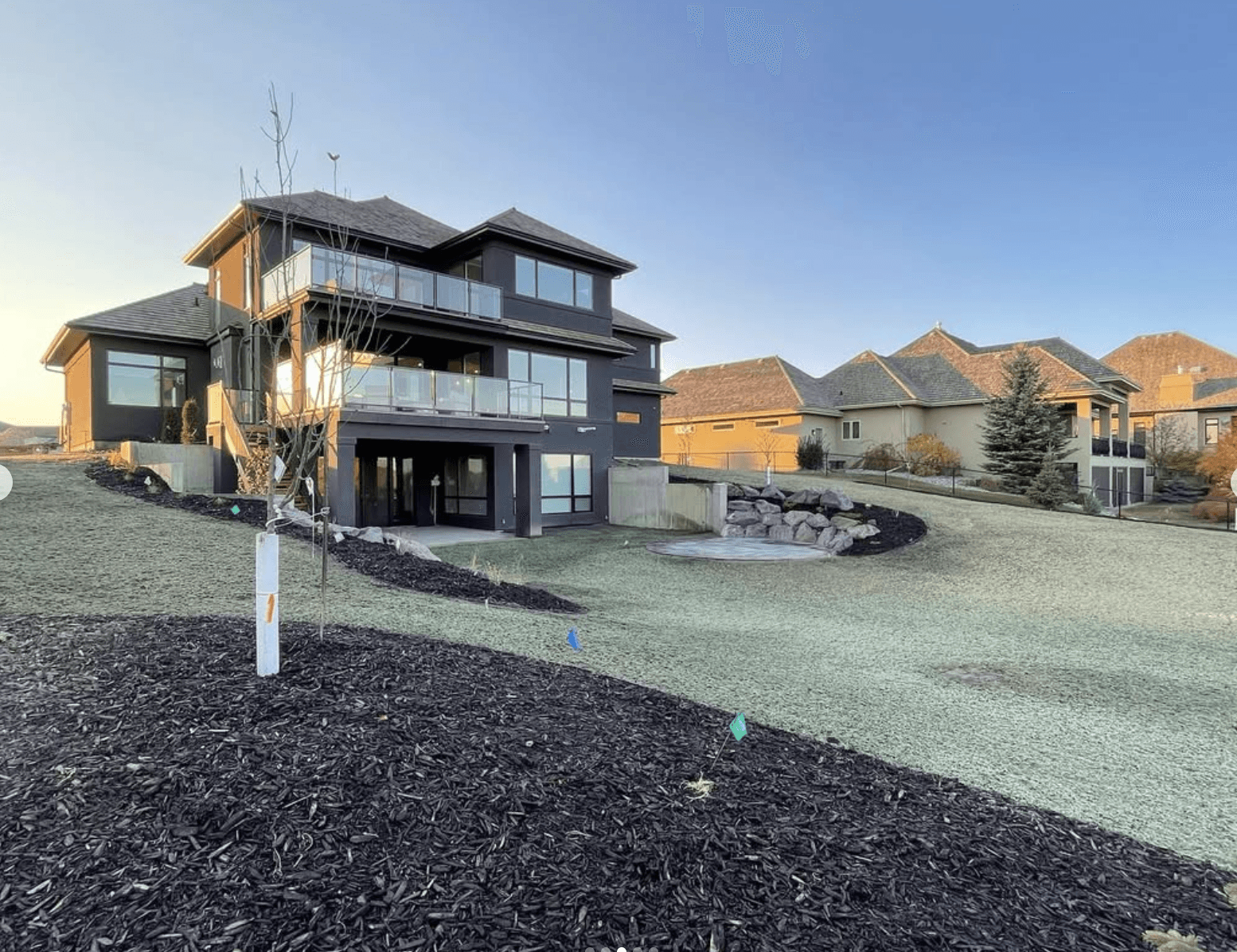
Yard Drainage Solutions in Edmonton: How to Fix a Soggy Backyard (2026)
If your backyard stays wet long after rain, turns muddy during snowmelt, or pools water near the house, you’re not alone. Drainage issues are one of the most common problems we see in Edmonton, especially on newer builds and lots with compacted soil.
The good news: most drainage problems are solvable — and you don’t always need a major “tear it all out” project to fix them. The key is diagnosing the real cause and choosing the right solution in the right order.
This guide explains the most effective yard drainage solutions in Edmonton, what causes pooling and soggy lawns, and how to fix it properly so your yard looks great and stays that way.
If you want a clear plan and a price range for your property, start here: Get an Estimate.
Quick Answer: The Best Way to Fix a Soggy Yard in Edmonton
Most soggy yards come down to one (or a combination) of these issues:
Poor grading (water has nowhere to go)
Downspouts dumping water in the wrong place
Compacted clay-based soil that holds water
Low spots that collect runoff
Hardscape slope problems (patios/walkways pushing water back toward the home)
The best approach is usually:
Fix downspout discharge first
Correct grading and low spots next
Add drainage infrastructure (catch basins / drain lines / French drains) only when needed
Then finish with landscaping that performs (hardscape, turf/sod, planting)
If you’re planning a larger transformation, drainage should be part of your design plan: Landscape Design Edmonton.
Signs You Have a Drainage Problem (Not Just “Wet Weather”)
If any of these are true, you likely have a drainage issue:
water pools for more than 24–48 hours after rainfall
soggy spots show up every spring during snowmelt
moss, thinning grass, or dead patches in low areas
muddy side yards or worn “trenches” where water runs
water sits near the foundation or close to the basement window wells
patio or walkway areas hold puddles or ice up
Drainage issues aren’t just annoying — they can impact long-term performance of:
lawns and planting beds
patios and walkways (freeze-thaw movement)
retaining walls and steps
foundation areas (especially if water is consistently against the home)
Why Edmonton Yards Get Soggy (The Real Causes)
1) Rough Grade vs Final Grade Problems
New builds often have rough grading that isn’t “landscape-ready.” Even small grade mistakes can create pooling.
2) Compacted Construction Soil
Heavy equipment compacts soil, reducing absorption. Clay-heavy soil also holds water longer.
3) Downspouts and Roof Water
A surprising amount of yard water is actually roof runoff. If downspouts discharge beside the home or into a low area, you’ll get constant wet zones.
4) Low Spots and Poor Transitions
A yard can look flat and “fine,” but small dips create collection points.
5) Patio/Hardscape Slope Errors
If patios or walkways don’t slope correctly, water can collect or run toward the house — creating ice and water issues.
If you’re building hardscape, make sure it’s done properly: Paving Stone Patios Edmonton.
The Best Yard Drainage Solutions in Edmonton (In the Right Order)
1) Extend Downspouts (Fastest Win)
This is the first thing we check because it’s simple and often fixes a big percentage of the problem.
What to look for:
downspouts dumping right beside the foundation
downspouts draining into side yards that stay wet
discharge that points toward the backyard instead of away from the home
What to do instead:
extend discharge further away from the home
redirect flow toward the correct drainage path
ensure water exits to a location where it can disperse safely
This alone can make a noticeable difference during snowmelt.
2) Regrading and Filling Low Spots (Most Common Real Fix)
If water pools in one or two areas, it’s often a grading problem.
Regrading means:
raising low areas
shaping the yard so water naturally flows away
creating subtle slope and direction (not visible “hills,” just proper fall)
This is the difference between a yard you constantly fight and a yard that works quietly in the background.
If you want a proper plan before committing, start here: Landscape Design Edmonton.
3) Create a Swale (A Premium, Natural-Looking Drainage Feature)
A swale is a shallow channel that guides water where it needs to go. When done right, it looks clean and intentional.
Swales are great for:
backyards that collect runoff from neighbors
side yards that channel water
directing water around patios and toward safe exits
You can build swales as:
subtle grass swales (barely noticeable)
decorative swales with rock and planting (often called “dry creek beds”)
4) Install Catch Basins and Drain Lines (For Persistent Pooling)
If water collects in a specific low area and grading alone can’t solve it (or the yard has constraints), a catch basin system can be the right move.
Catch basins work well when:
the yard has a “bowl” that can’t be fully regraded
you need to pull water from a specific spot
water repeatedly pools near patios or steps
A catch basin system captures water and moves it through drain lines to a proper discharge location.
5) French Drains (Useful — But Often Overused)
French drains can be effective, but they’re not always the first solution.
French drains make sense when:
you have water moving through soil toward an area (not just a surface low spot)
grading changes are limited
you need sub-surface water control near certain zones
Important: French drains work best when paired with correct grading. If the yard is shaped wrong, drains can become “band-aids” that still leave you with surface problems.
6) Permeable Hardscape and Correct Patio Slope (Often Forgotten)
Hardscape should never create a drainage issue.
A premium patio build includes:
correct slope away from structures
proper base prep and compaction
edge restraint and stable bedding layers
drainage planning for where water goes after it hits the patio
If you’re planning a new patio, see: Paving Stone Patios Edmonton.
7) Retaining Walls to Manage Grade Change and Runoff
If your property has slope, grade change, or a backyard that needs leveling, retaining walls can help with both useability and drainage control.
Retaining walls can:
create level zones
reduce erosion
manage runoff pathways
prevent water from cutting through turf areas
Explore: Retaining Walls Edmonton.
What NOT to Do (Common Edmonton Drainage Mistakes)
1) Putting rock over mud
Rock doesn’t fix drainage. It often hides it until the problem gets worse.
2) Installing sod or turf before fixing water flow
Both sod and turf depend on a stable base and correct grade. If water is wrong, the yard will fail again.
If turf is part of your plan, install it after drainage is solved:
Artificial Turf Edmonton.
3) Building patios or walkways without a drainage plan
Improper slope creates puddling, ice, and shifting over time.
4) Guessing instead of diagnosing
The right fix depends on why the water is there — not just what it looks like.
Edmonton Drainage “Packages” (Typical Solution Levels)
Every yard is different, but most drainage fixes fall into one of these categories:
Level 1: Basic Fix (Best for minor issues)
downspout adjustments/extensions
fill + minor regrading
spot corrections
Level 2: Regrade + Drainage Control (Most common)
regrading and shaping
swales or drainage pathways
targeted catch basins in problem spots
Level 3: Full Yard Fix + Build
grading + drainage system
patio / walkways / walls
planting + turf/sod finish
If you’re doing a larger project, the smartest move is to plan it once and build it right:
Residential Landscaping
FAQs: Yard Drainage in Edmonton
How much does it cost to fix yard drainage in Edmonton?
Costs depend on access, scope, and whether you need grading only or drainage infrastructure. The best way to get a reliable number is to assess grade, downspout discharge, and where water can safely exit your property.
Start here: Get an Estimate.
Can landscaping fix drainage issues?
Yes — but only when it addresses grading and water movement first. Decorative landscaping without drainage planning is usually temporary.
Is a French drain always required?
No. Many Edmonton drainage problems are solved with downspouts + grading. French drains are useful in specific conditions, not as a default.
Want a Yard That Drains Properly and Looks Premium?
Drainage is the foundation of a high-end yard. When water behaves correctly, everything else lasts longer — your lawn, your patio, your walls, and your planting.
If you want a clear plan and price range, request an estimate here:
Get an Estimate
And if you’re planning a full yard transformation:
Landscape Design Edmonton
Residential Landscaping